

Church of Saint Martino
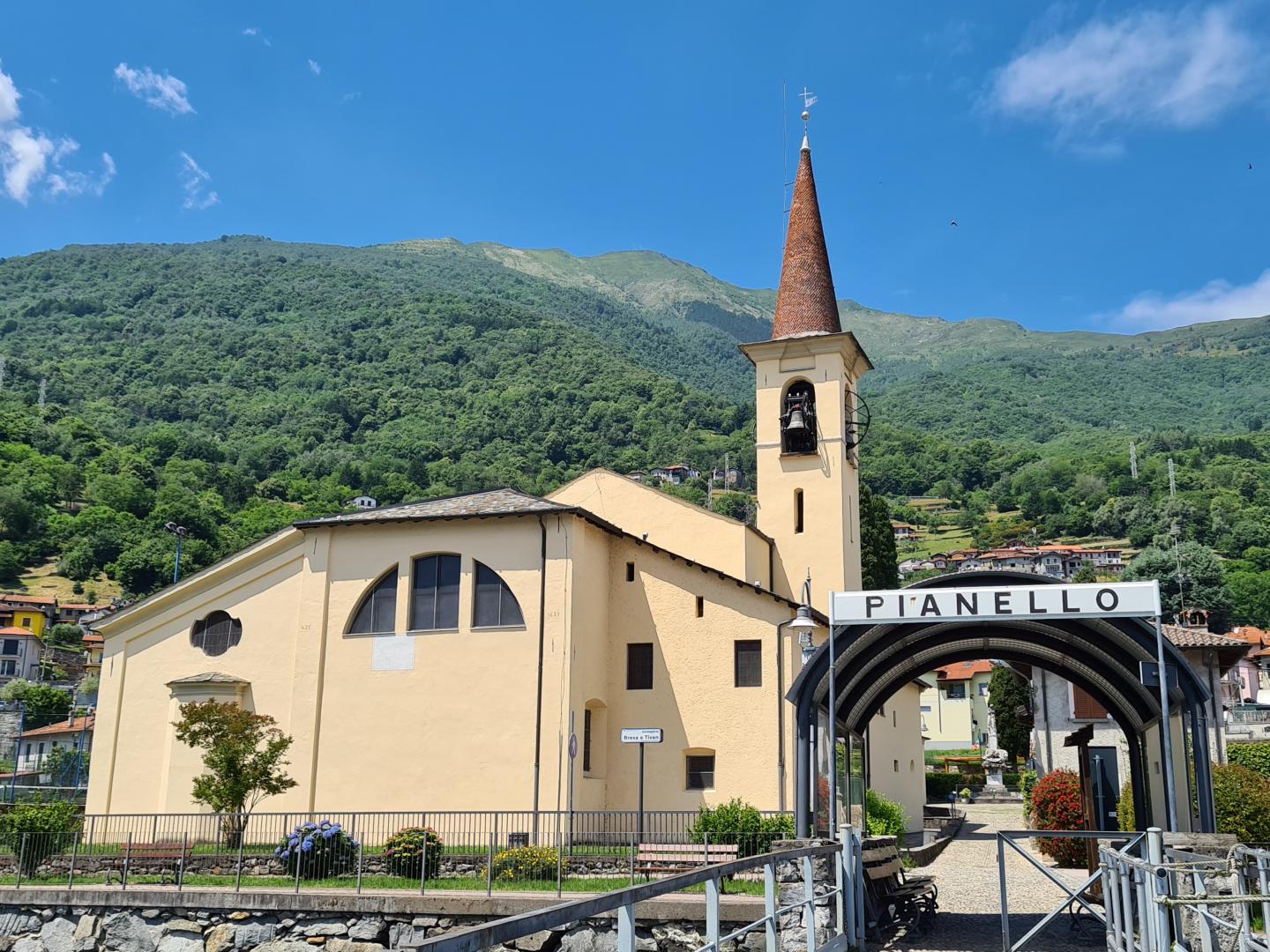
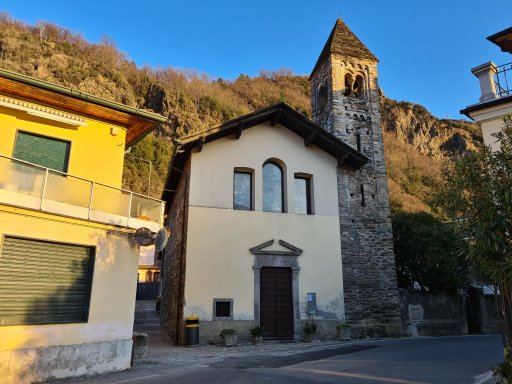
The Church of San Martino is situated in Pianello del Lario, in the hamlet of Calozzo, just a few metres from the lakeside promenade and the jetty. Probably dating from the early Middle Ages, it formed part of the royal estate of the Benedictine Abbey of San Carpoforo in Como, together with the abbey palace, the castle with its walls and moat – both of which have since been lost – and the cemetery. In 1389, the feudal rights exercised by the monastery of Como ceased and the territory came under the control of the Malacrida feudal lords of Musso. It was not until 1472, after almost a century of bitter conflict, that Pianello achieved civil and ecclesiastical separation from Musso and San Martino was established as a parish.
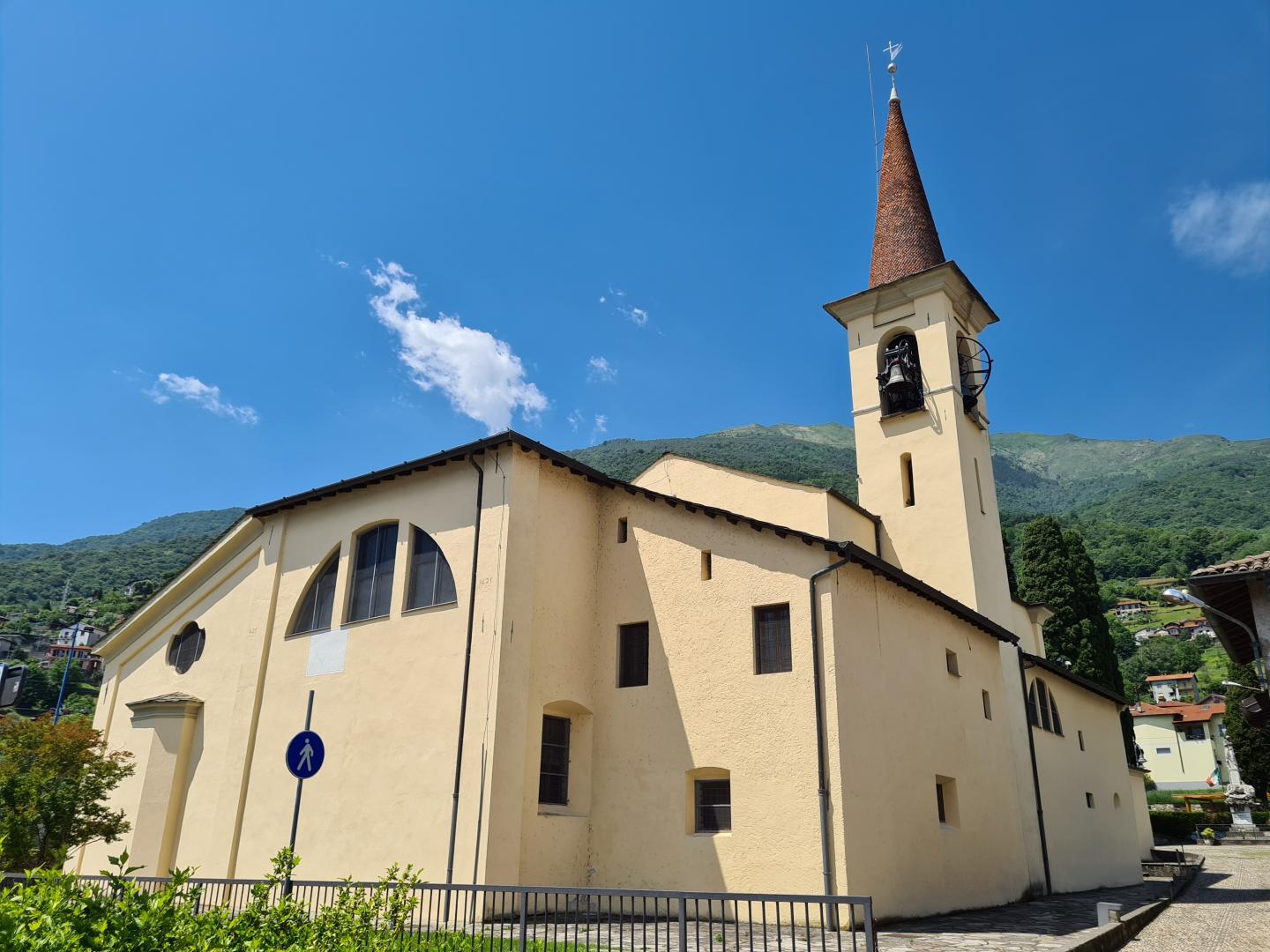
In the centuries that followed, it underwent numerous alterations that changed its appearance, particularly in the sixteenth century (as evidenced by the date 1534 carved on the lintel of the portal), in the 17th century, with the addition and decoration of the two side chapels, and in the 18th century, with the installation of the Serassi organ against the rear façade, which led to the closure of the rose window and the opening of two new windows.
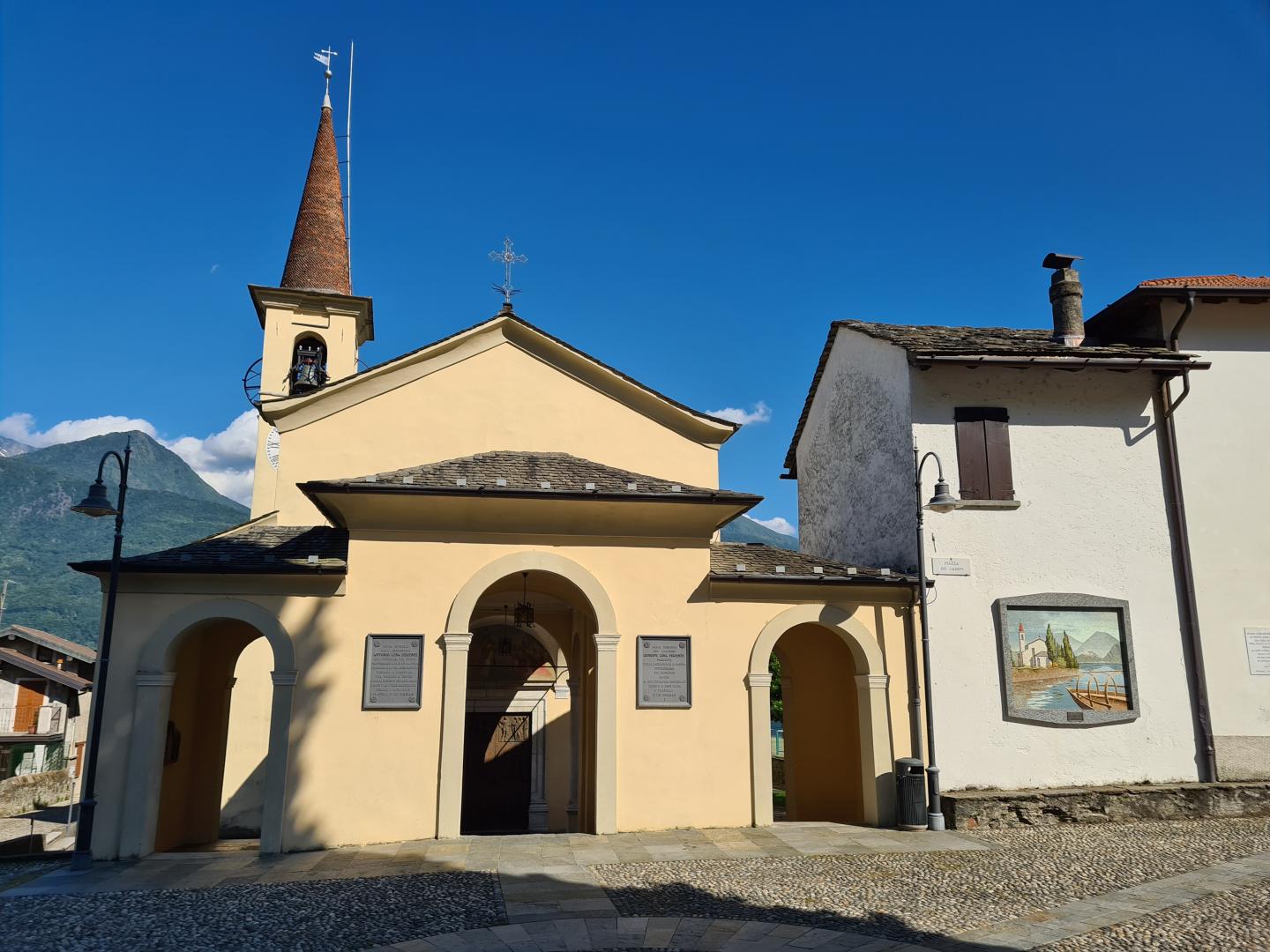
The church, preceded by a colonnaded portico, features a simple façade with a Renaissance stone portal surmounted by a lunette bearing the effigy of St Martin, attributed to Antonio Maria Caraccioli of Vercana; the bronze door depicts eight episodes from the life of Blessed Sister Chiara Bosatta, a native of Pianello. On the left-hand side of the church stands the 15th-century bell tower, which is topped by a conical spire.
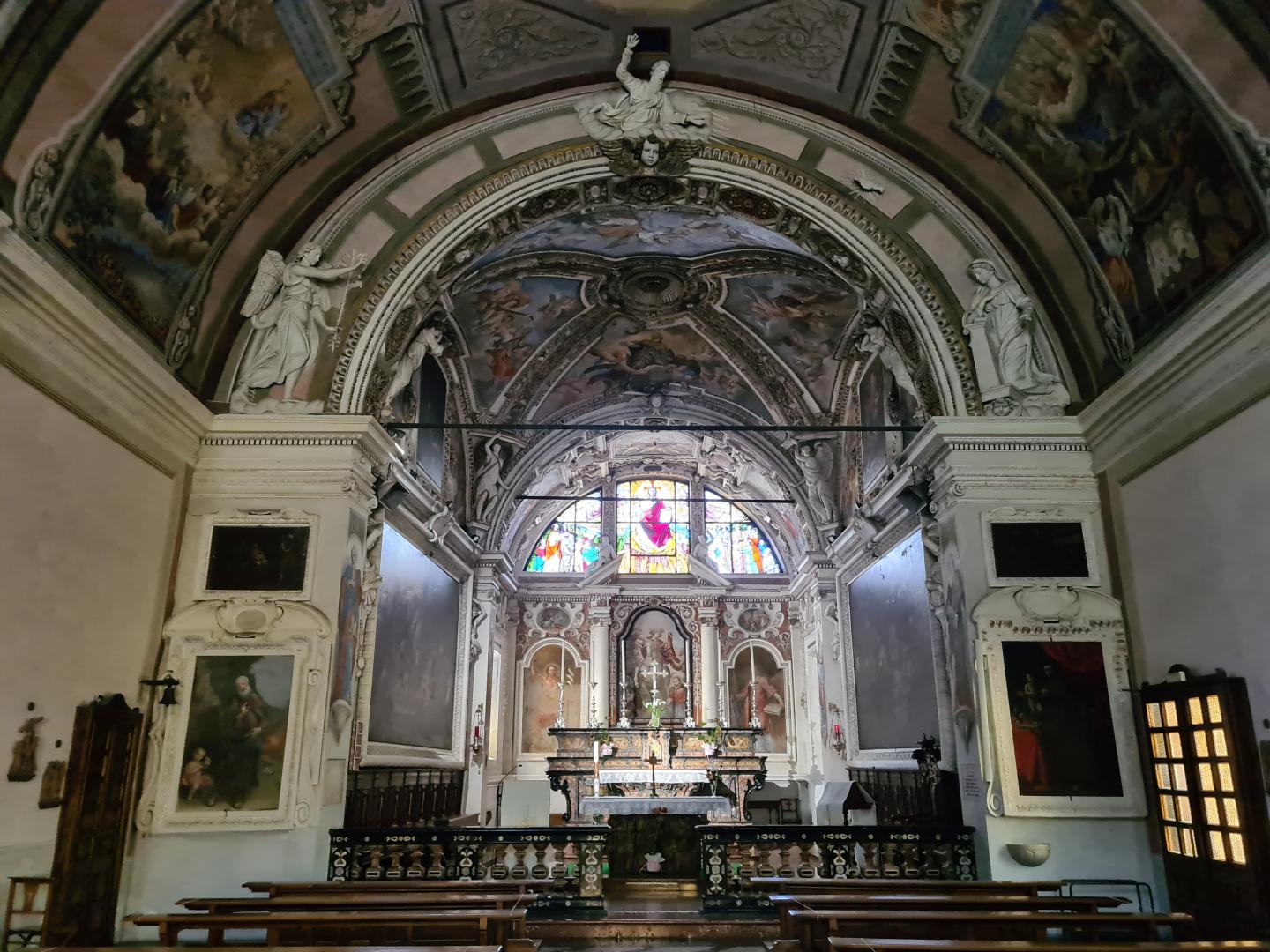
The interior, comprising a single nave with a vaulted ceiling, houses valuable works of art, such as the 16th-century triptych depicting the Madonna Enthroned with the Child, flanked by St Anthony the Abbot and St Bernard. In the apse area, one can admire the frescoes depicting prophets and scenes from the Old Testament by Isidoro Bianchi da Campione, an ancient stained-glass window featuring the bust of St Martin, and the elegant marble ciborium carved in 1536 by ‘Bernardino Chatanio de Saliana’. Also noteworthy are the frescoes by Gian Battista Annoni, Giovan Battista Pozzo, Giovan Battista Bottiggio of Pianello, Caraccioli and Giovanni Maria Tagliaferri, as well as the processional cross from 1489 crafted by the Gravedona goldsmith Francesco Ser Gregori.
On the right-hand side of the church stand the parish house – which, from 1881 to 1890, was home to St Luigi Guanella whilst he served as the village’s parish priest, and to whom a chapel inside the church is dedicated – and the former co-adjutor’s house, where the Saint’s religious community resided for three years.
 Ph: Enrico Minotti
Church of Saint Sebastiano
Vercana
Churches
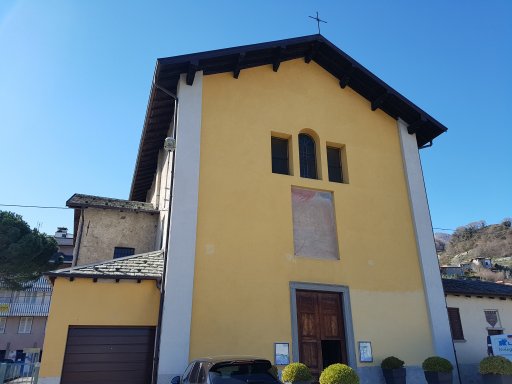
Church of Saint Anthony of Padua
Domaso
Churches
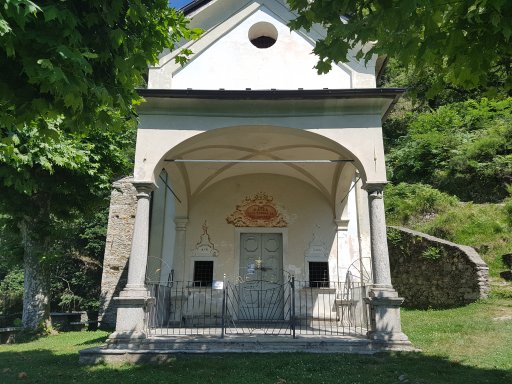
Shrine of Madonna di Mezza Crèsta (Church of Sant'Anna)
Livo
Churches
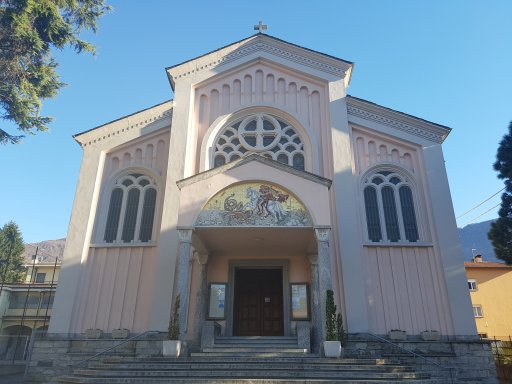
Church of San Giorgio
Colico
Churches
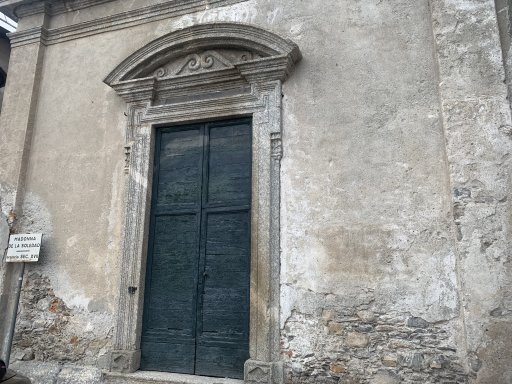
Church of the Madonna de la Soledad
Gravedona ed Uniti
Churches
Church of Saints Quirico and Giulitta
Dervio
Churches