
Castelvedro
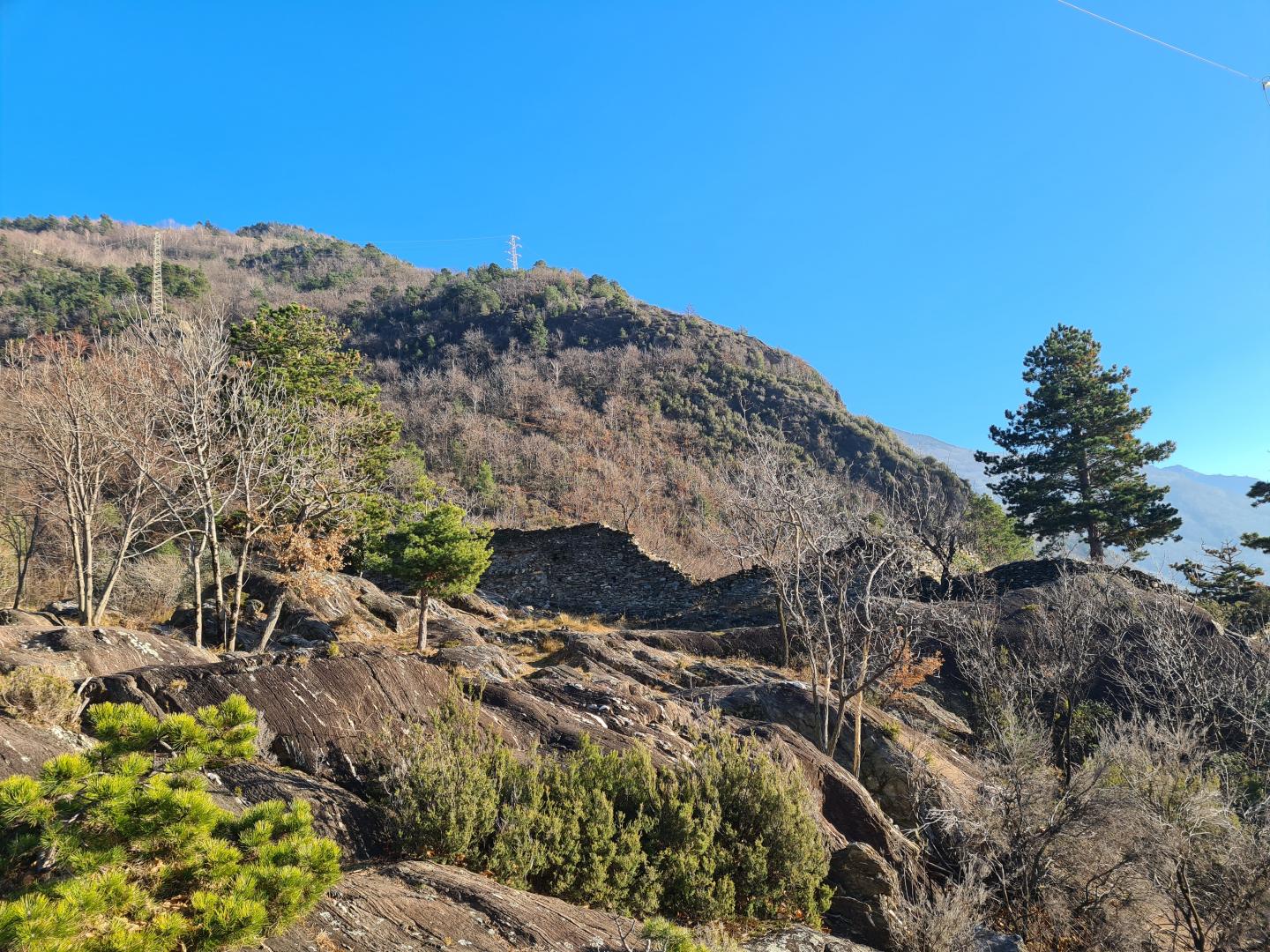
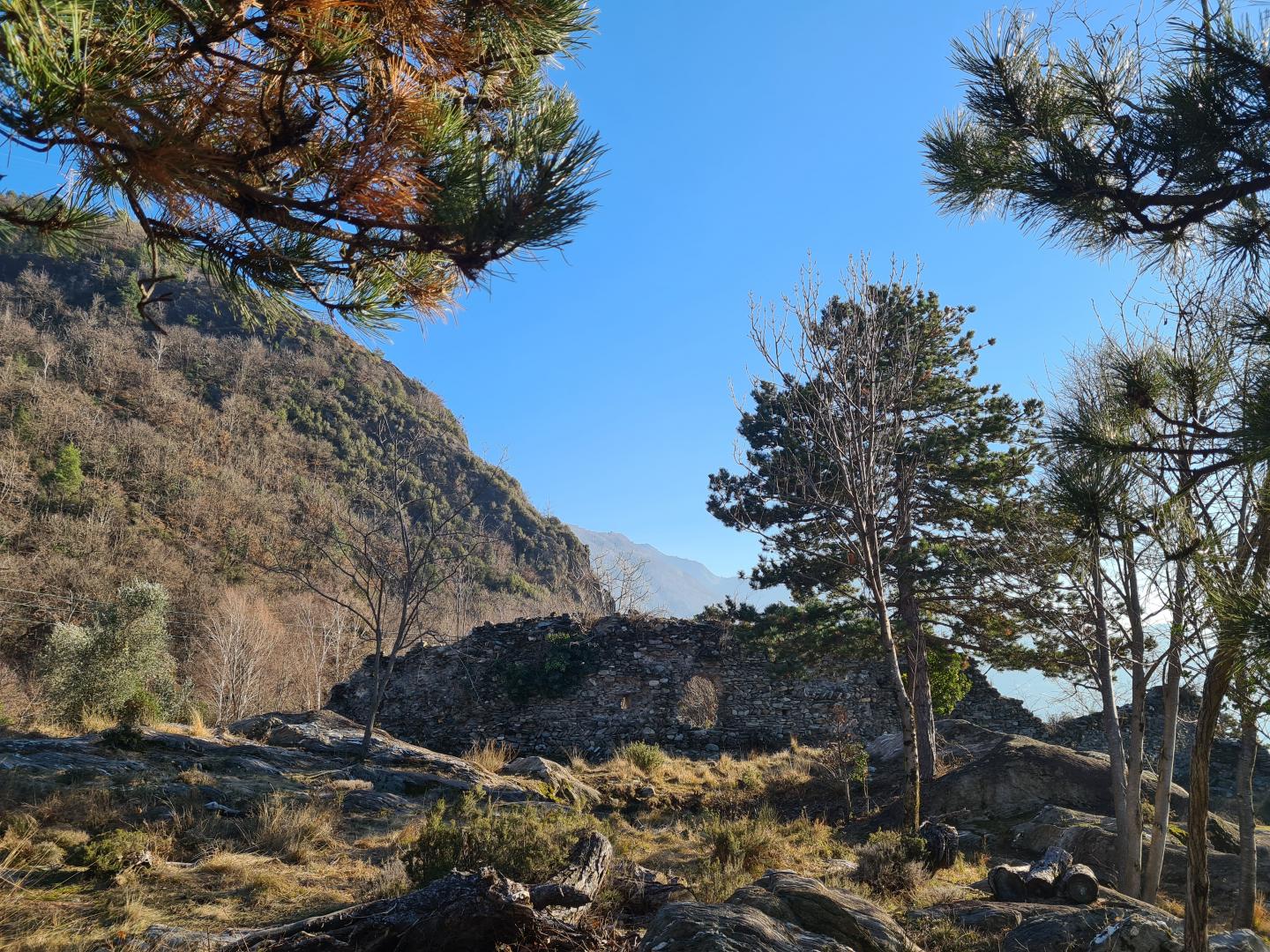
The ruins of Castelvedro are situated in the hamlet of Mai (known as ‘ad Mayum’ as early as the 15th century), in a dominant position on the promontory overlooking the southern part of Dervio, at an altitude of 400 metres. Built during the Roman period around the 5th century, the castle formed part of the defensive system established along the shores of Lake Como to ward off barbarian raids from Raetia; this system, comprising numerous fortifications, enabled signals to be sent from Colico to Lecco or Como.
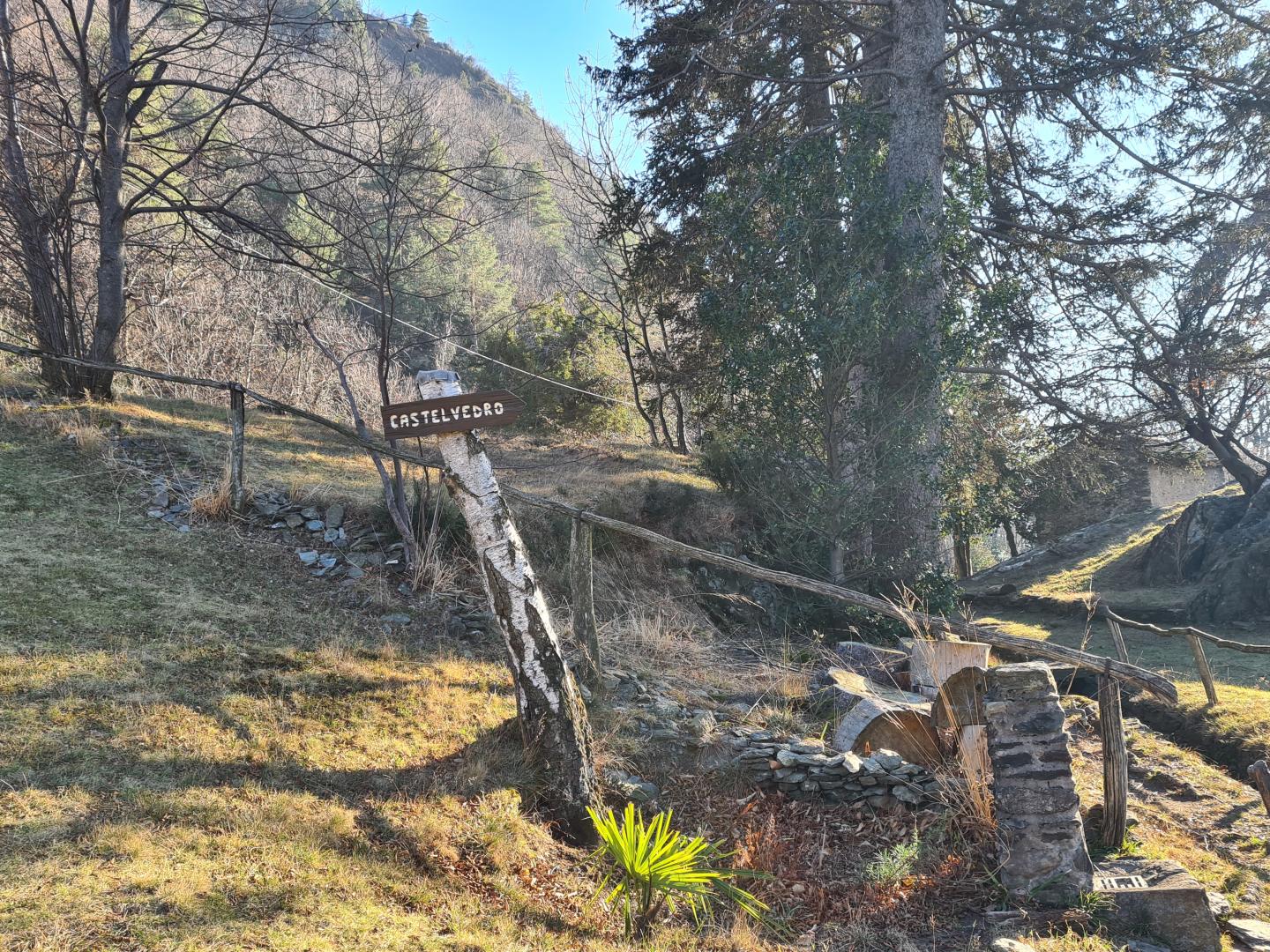
Castelvedro, in particular, served to control the ancient road that climbed up the left-hand side of the Valvarrone valley towards Piazzo di Casargo, at the entrance to the Valsassina, which at the time constituted a highly important strategic passage. When the road on the right-hand side of the valley – which was, moreover, more favourable in winter – replaced the one on the opposite side that passed through Mai, the fortification consequently lost its importance and was replaced by Orezia Castle, situated on the right-hand side of the valley. The presence and role of the latter led to the castle at Mai being given the epithet ‘vedro’, derived from ‘vetero’ (old), hence the name Castelvedro. As early as the Statute of Dervio and Corenno of 1384 and in a deed of sale from 1405, it was referred to by this name and considered ancient and obsolete.
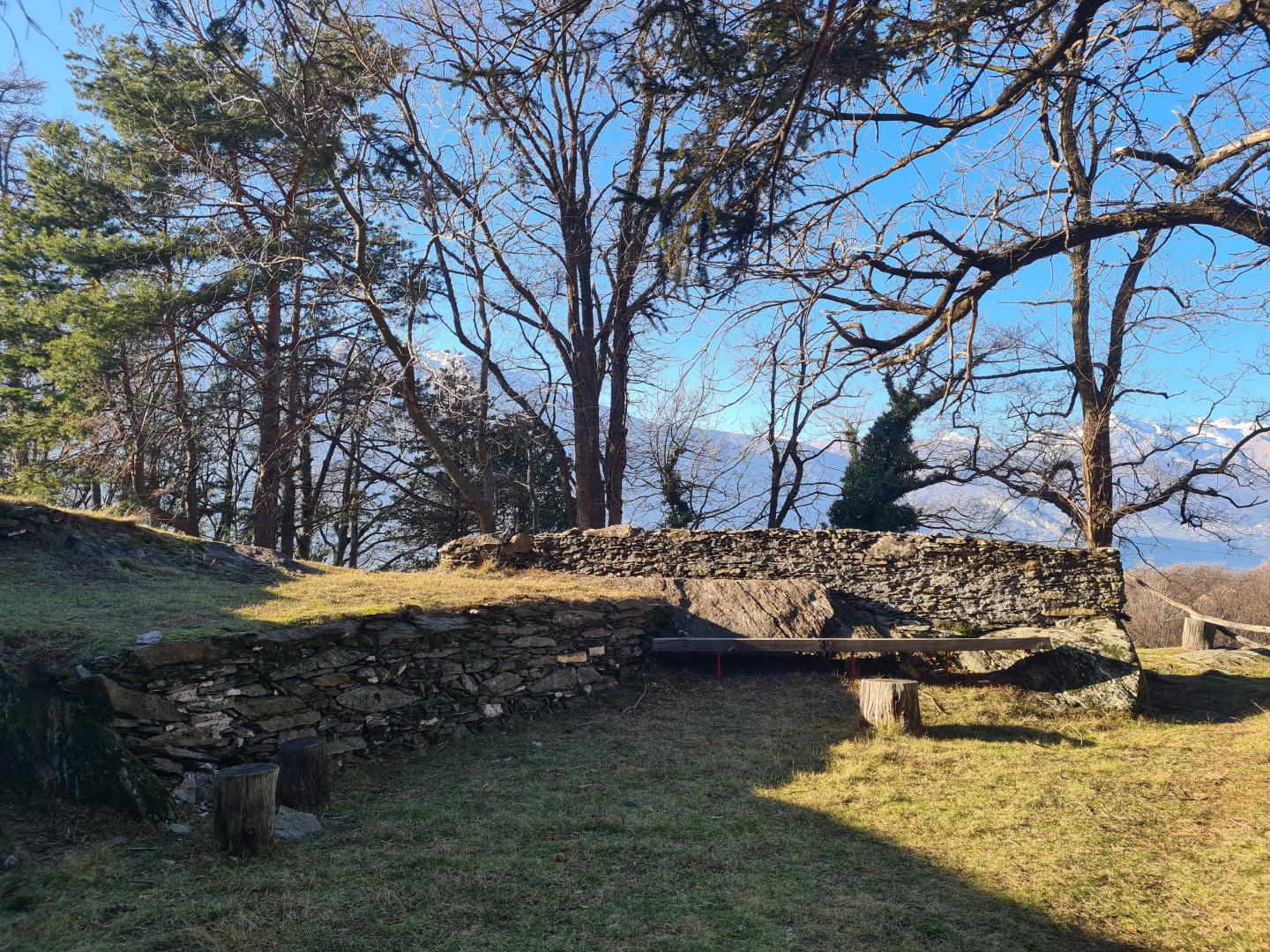
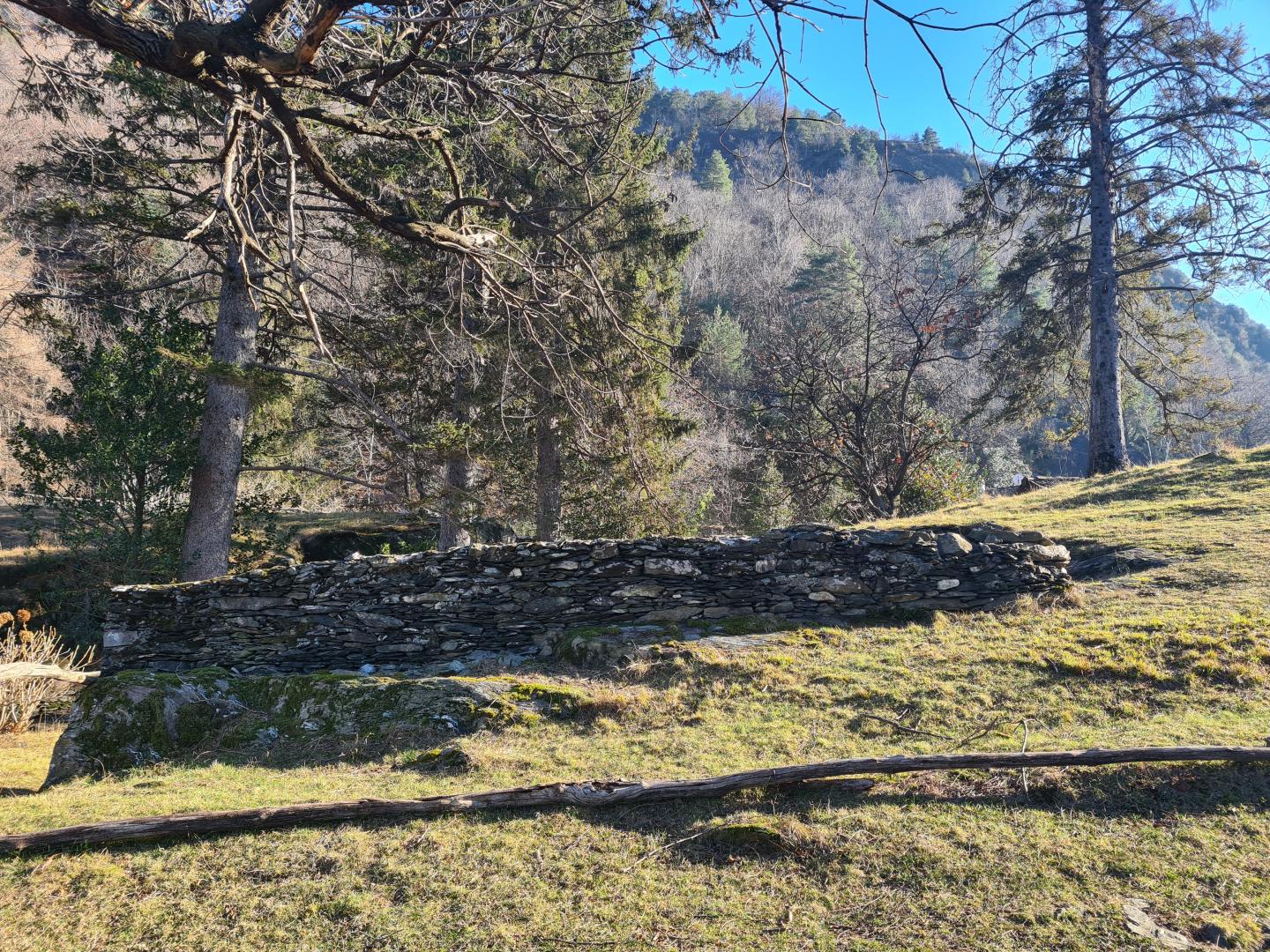
Today, sections of the stone walls are still visible, reaching heights of up to 4 metres in places. It is thought that the original structure covered an area of approximately 1,500 square metres, with a rounded wall to the south, forming the base of a watchtower.
 Ph: Irene Briz
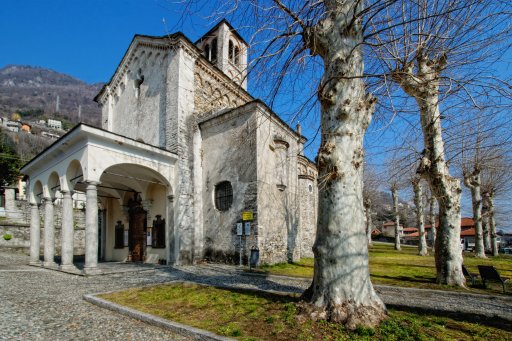
Church of Saints Gusmeo and Matteo
Gravedona ed Uniti
Churches
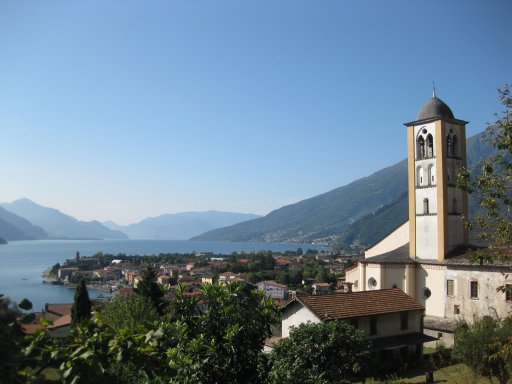
Church of Santa Maria delle Grazie
Gravedona ed Uniti
Churches
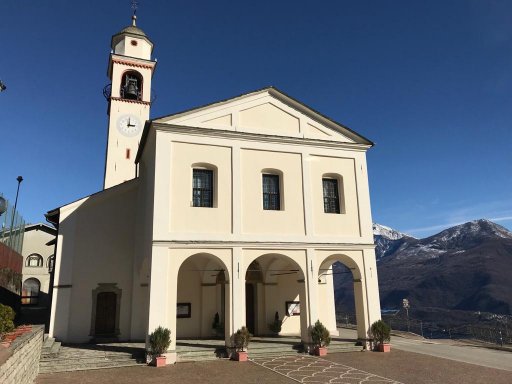
Church of Saint Giuliano
Stazzona
Churches
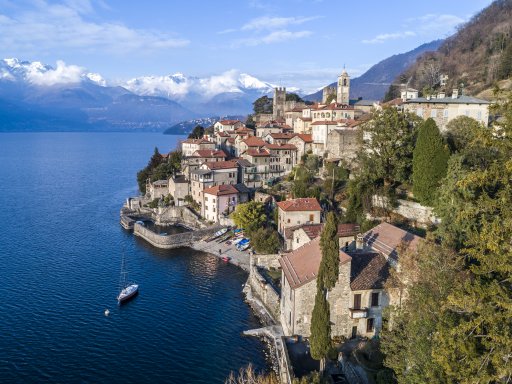 Ph: C. Borlenghi
Corenno Plinio
Dervio
Historical centers
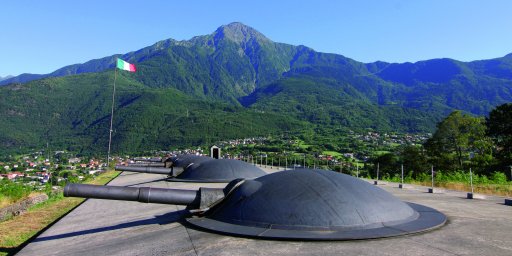 Ph: Mauro Sgheiz
Fort Montecchio Nord
Colico
Fortresses
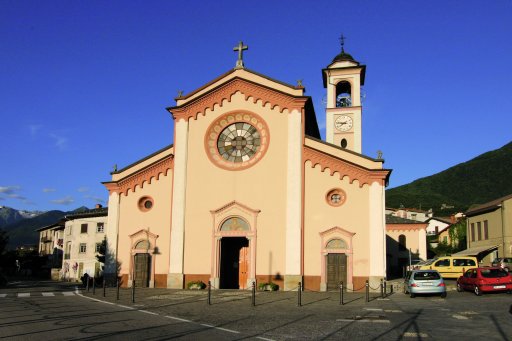 Ph: Colico Outdoor
Church of Saint Bernardino
Colico
Churches