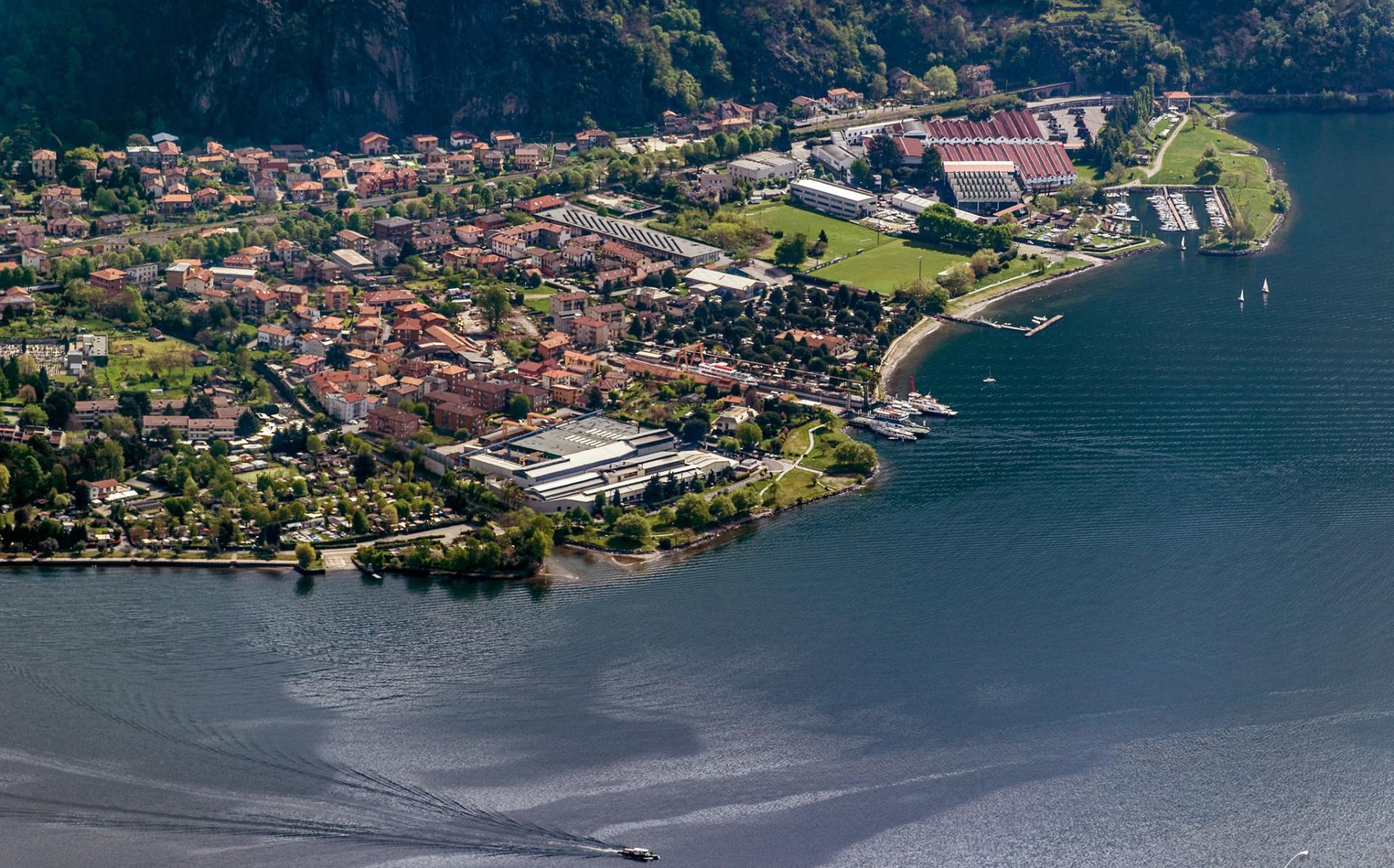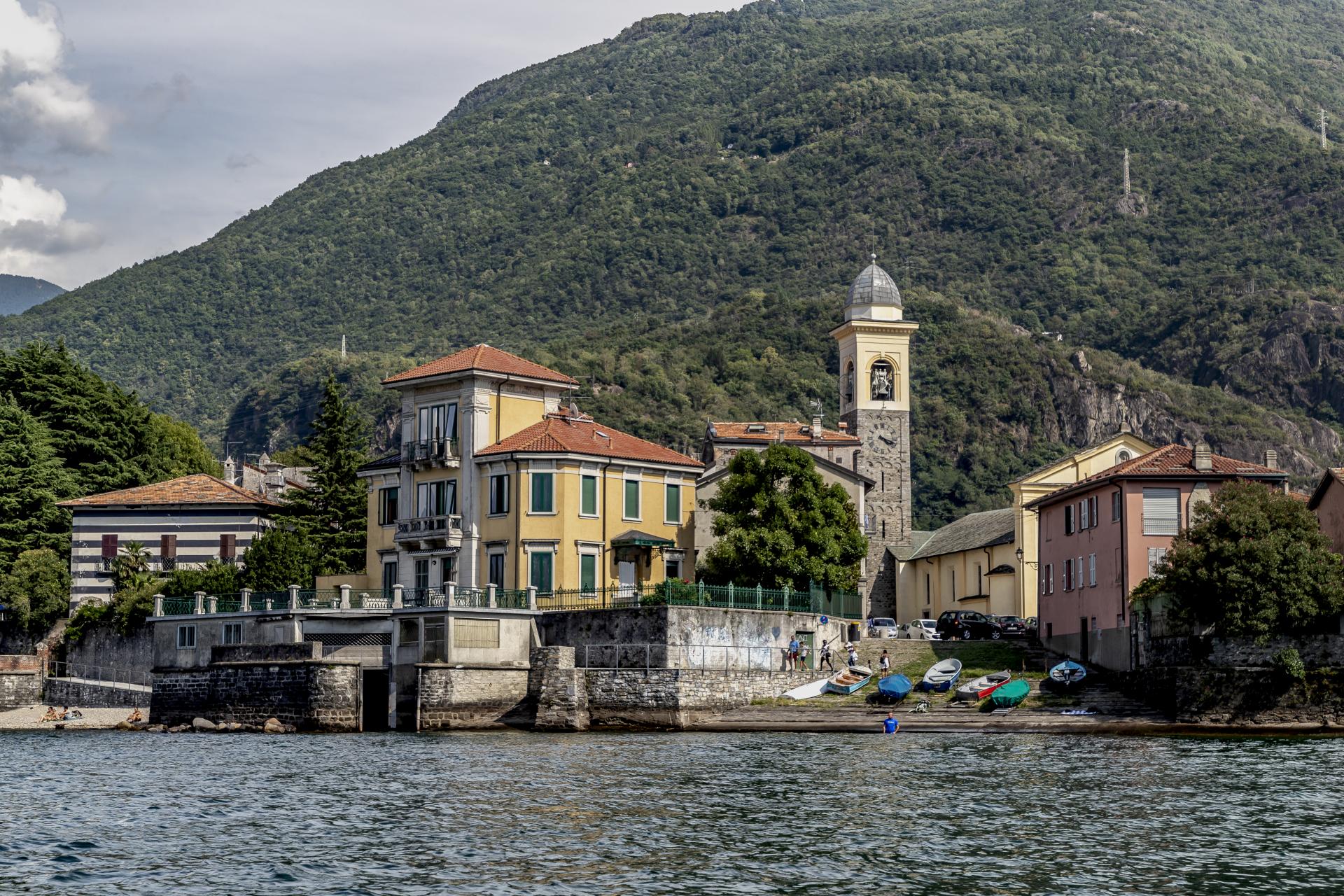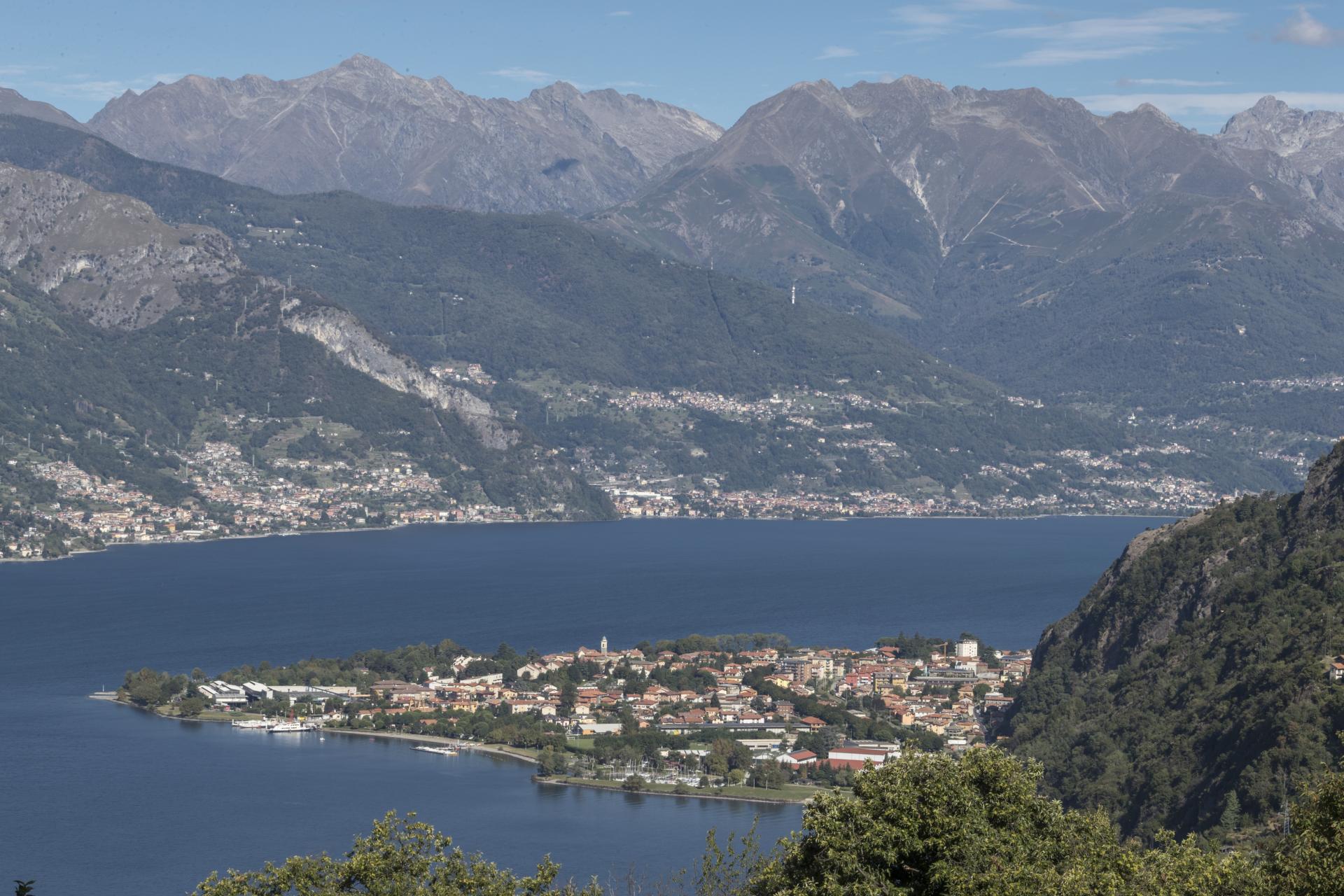
Situated on the eastern shore of Lake Como, in the shadow of Monte Legnoncino, Dervio occupies a wide, green peninsula crossed by the Varrone stream, which flows down from the valley bearing the same name.
The area's origins likely date back to the Bronze Age, when nomadic peoples of Celtic descent established early settlements known as gau. The name “Dervio” itself is thought to have Celtic roots, possibly derived from the Welsh/Breton Derw and the Gallic Dervo, both meaning “oak.” This etymology may refer to the presence of a sacred oak forest in ancient times, a theory supported by Latin inscriptions found in the area that are dedicated to the Matrone Dervonne, local deities.
The Romans later conquered the area, recognising its strategic position along the communication route between Valtellina and Milan, and began constructing towers and fortifications as early as the 4th century AD. One such structure, the Castelvedro in the hamlet of Mai (5th century), was part of an ancient defensive system against barbarian invasion. Today, only its ruins remain.
After the fall of the Roman Empire, the area saw successive invasions by the Goths, the Lombards and finally, the Franks. During this time, the spread of Christianity gradually transformed the former pagan temples into parish churches. In the early 11th century, Dervio sided with the Archbishop of Milan in a conflict against the Tre Pievi—the Three Larian Parishes of Sorico, Gravedona and Dongo—which supported the Duke of Franconia. Later, the town also became a battleground during the ten-year war between Milan and Como.
After the rule of the Archbishops of Milan, Dervio came under the control of the powerful Visconti and later the Sforza families, followed by a period of Spanish domination. This marked the beginning of a period of decline, characterised by widespread looting and devastating plague outbreaks. It was not until the 19th century, under Austrian rule, that Dervio experienced a revival. The flourishing iron industry and the exploitation of the mines in Val Varrone brought new vitality to the area. The town experienced its most significant economic growth with the rise of mechanical workshops, paper mills and shipyards, supported by the construction of major roads.
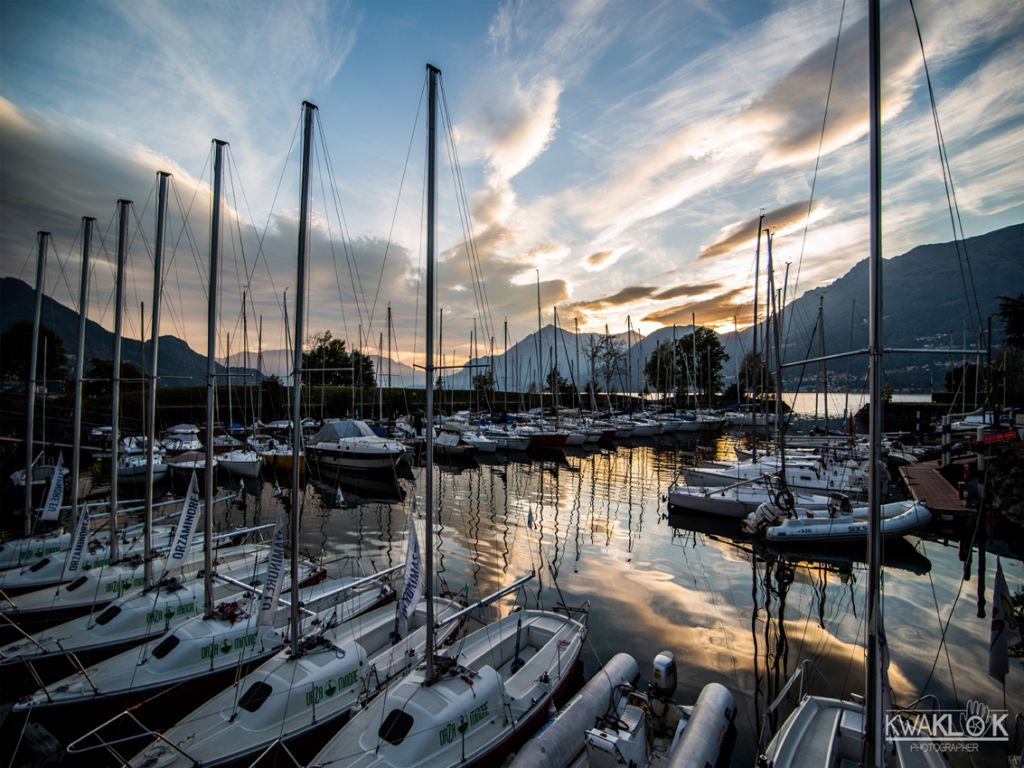
Today, Dervio is one of the most popular tourist resorts in the North Lake Como area. Its consistently breezy location on the lake makes it a true paradise for sailing enthusiasts. The town is an ideal destination not only for lovers of water sports but also for outdoor adventurers, offering a wealth of hiking trails and, in some areas, routes suitable for mountain biking in the surrounding mountains. Among these, the most renowned is the Sentiero del Viandante (Wayfarer's Path), an ancient route that traces a scenic course along the eastern shore of the lake. Dervio is also an ideal destination for those who want a relaxing holiday, thanks to its inviting beaches, lush green spaces, and elegant lakeside promenade.
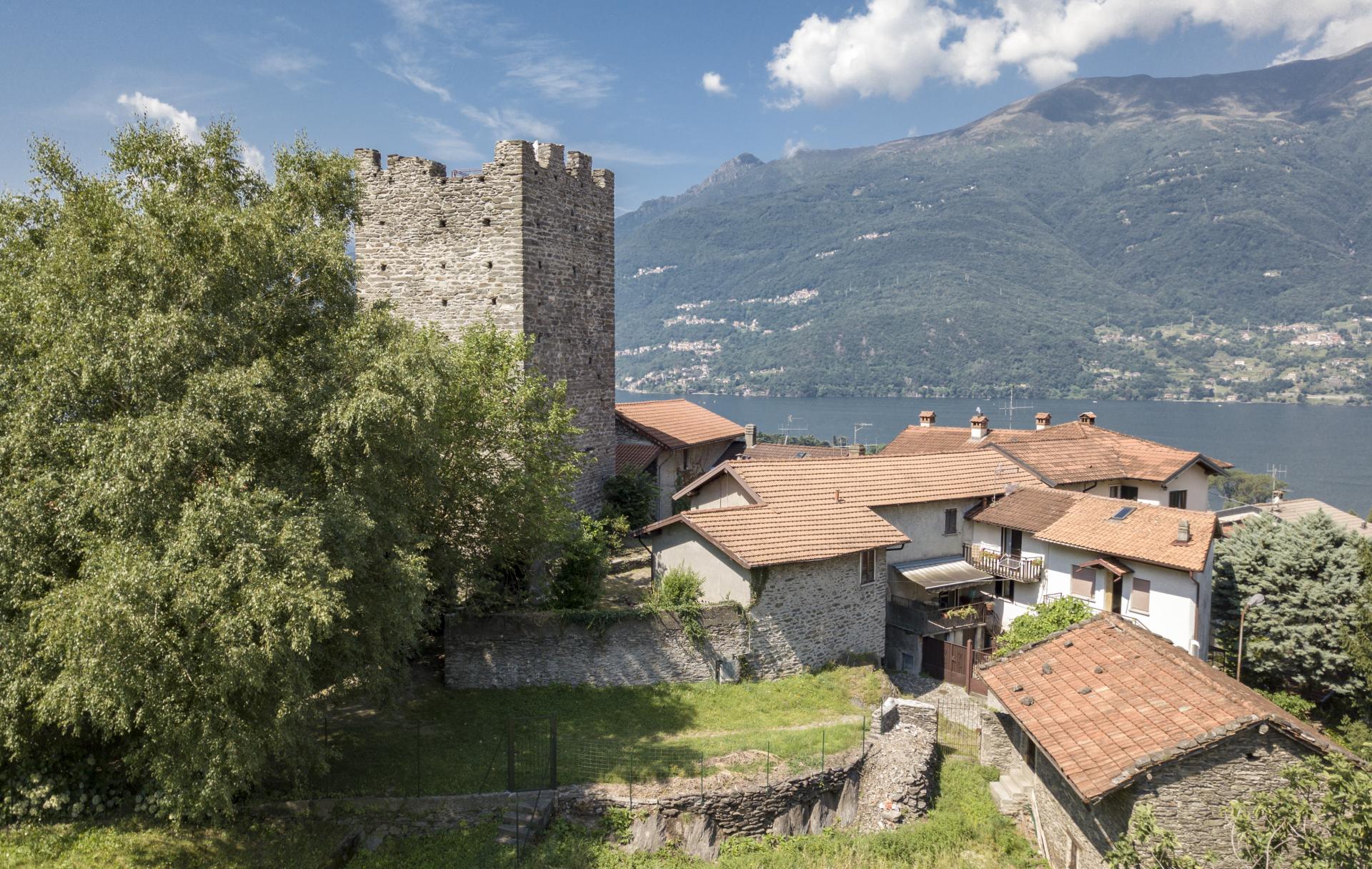
From an artistic perspective, the churches in the municipality are of significant interest, especially the Church of Saints Quirico and Giulitta, one of the oldest religious buildings in the area; the parish church of Saints Peter and Paul; and the Church of St Thomas of Canterbury in Corenno Plinio, which dates back to the late 12th century. Overlooking the town from a rock promontory stands the Castle of Orezia, first mentioned in historical records from 1039-1040. Today, its well-preserved keep still watches over the area.
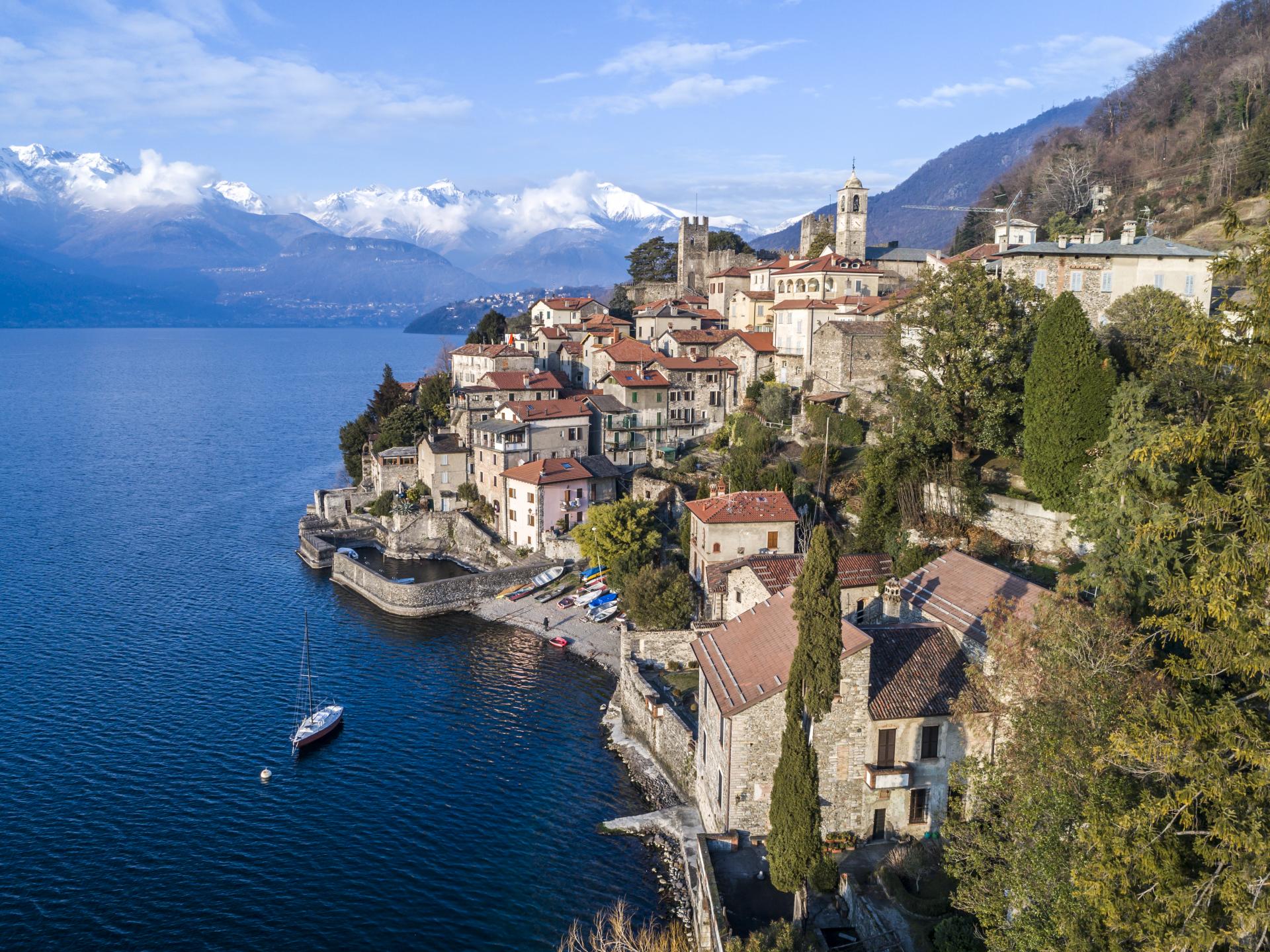
Finally, the picturesque village of Corenno Plinio deserves special mention. Dominated by the castle of the Counts Andreani, this enchanting hamlet is a maze of ancient houses and narrow lanes that wind steeply down to the lake, making it one of the most picturesque spots on Lake Como.